
A lot of people think taking out a loan to fix up a house is a sign of bad financial planning. There’s this idea that debt is just a trap that leads to a pile of unpaid bills and a house that still looks like it belongs in the previous decade. But that’s a mistake. Waiting to make necessary repairs usually ends up costing more because of compounding damage or lost home equity.
If a roof leaks or your furnace dies during a Missouri winter, the cost of waiting is way higher than the interest on a loan. Fixing things properly now prevents the expensive, catastrophic failures that happen when you ignore small problems. It isn’t about overspending; it’s about using capital to protect the biggest asset most people own.
The real mistake most homeowners make is picking the wrong kind of financing. People treat every renovation like a massive capital project when, more often than not, it’s just a quick fix. If you want to avoid paying too much for the same result, you have to understand the difference between personal loans, equity-based options, and government assistance.
Avoiding the Equity Trap in Missouri
Many homeowners assume the only way to fund a big project is to tap into the equity they’ve already built up in their property. This logic is risky because it puts your roof directly on the line. If you run into financial trouble, an equity-based loan can lead to foreclosure.
Unsecured personal loans are an alternative. These let you finance home improvements without losing any equity in your house. By keeping your debt separate from your property deed, you limit the risk of losing your home if things go sideways. It’s a much cleaner way to manage risk.
Of course, these loans aren’t a one-size-fits-all solution. The terms and interest rates depend heavily on your credit. Someone with a high score will get much better terms than someone just trying to patch a leak.
Comparing Unsecured vs. Secured Options
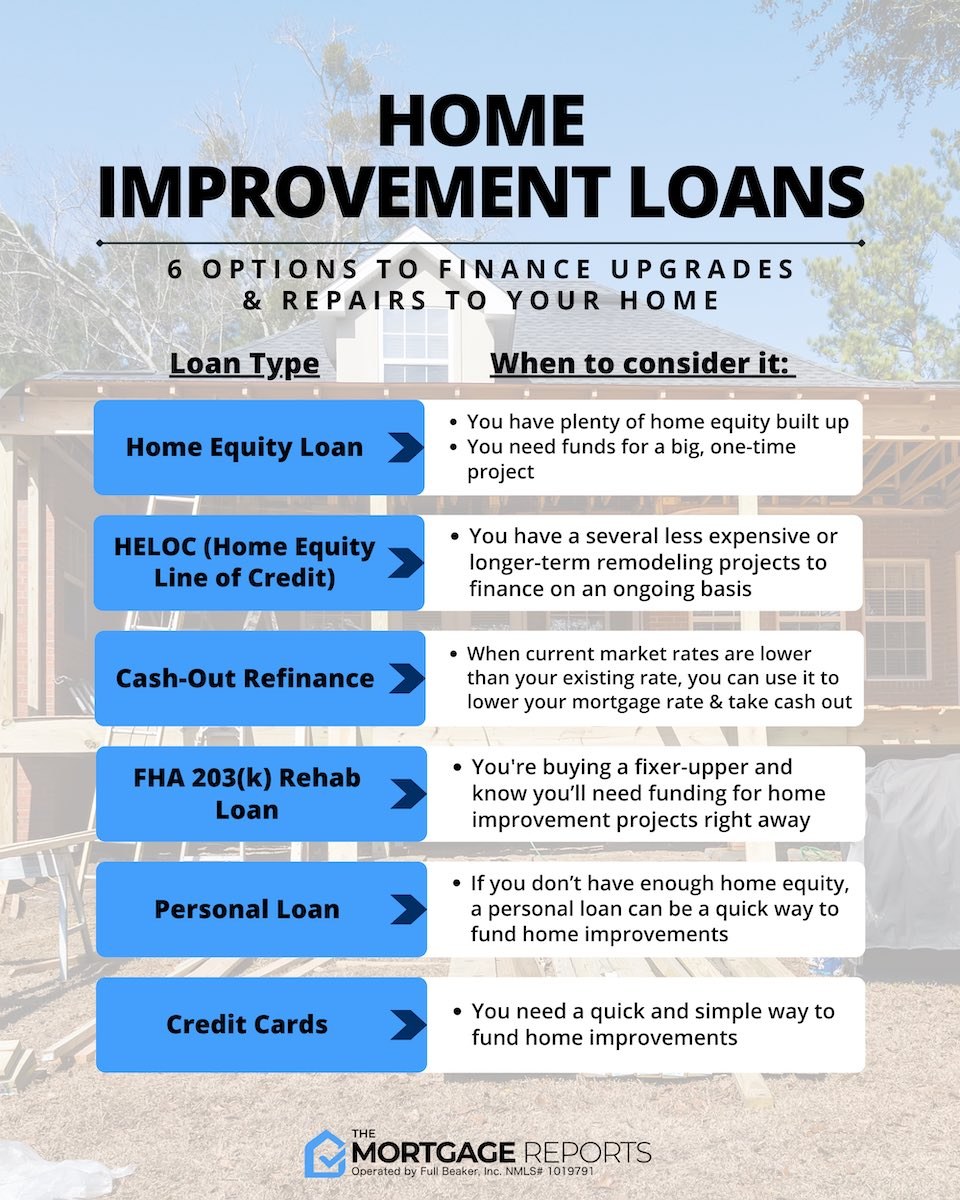
- Unsecured Personal Loans: These rely on your credit score rather than your house. They are faster to get and carry less risk for the homeowner.
- Home Equity Loans: These use your house as collateral. While they often have lower rates, they put your home at risk of foreclosure if you default.
- Lines of Credit: These work like a credit card for your house. You only pay interest on what you actually spend.
If you need quick cash for a sudden repair, First Bank offers a low, fixed-rate home improvement loan of up to $10,000. This works well for smaller, impactful updates that don’t require a total property overhaul. It’s a sensible way to handle repairs without getting stuck in a mountain of paperwork.
The Math Behind Different Loan Amounts
Not every project needs a six-figure check. Replacing a bathroom vanity is a different beast than finishing a basement. The amount you need to borrow dictates which lender you should talk to.
If you only need a few thousand dollars, a credit union might be your best bet. They often provide more flexibility than big national banks. For example, Volt Credit Union offers flexible home improvement financing with fixed monthly payments, which makes budgeting much easier for families on a tight schedule.
For larger projects, the numbers change. You need to know exactly what you’re looking at before you sit down with a loan officer.
| Loan Type | Typical Amount Range | Best Use Case |
| Small Personal Loan | $1,000 – $15,000 | Appliances, minor repairs |
| Standard Home Improvement | $15,000 – $50,000 | Kitchens, bathrooms, decks |
| Large Scale Renovation | $50,000 – $100,000+ | Additions, full remodels |
Standard repayment terms usually fall between one and seven years. If you take the full seven years, your monthly payment stays low, but you’ll end up paying much more in interest over the life of the loan. You have to decide if you want more breathing room every month or if you want to be debt-free as quickly as possible.
Some specialized lenders focus on high-end credit profiles. LightStream, for instance, provides loans from $5,000 to $100,000 for those with good to excellent credit. They prioritize speed, which is helpful when a contractor is waiting to start work.
Government Programs for Low-Income Homeowners
Not everyone has a high credit score or a massive pile of equity. In Missouri, there are specific programs designed to help people who might otherwise struggle to keep their homes in decent repair. These aren’t traditional loans you have to pay back in the standard way, but they do come with strict rules.
The USDA has a program specifically for Single Family Housing Repair Loans and Grants. If you qualify, you can get help modernizing your home. The maximum loan amount is $40,000, and there is also a grant option of up to $10,000 for very-low-income homeowners.
This can be a game-changer for people living in older homes in rural areas or underserved parts of the state. These funds are meant to ensure that even low-income residents can live in safe, healthy, and modern environments.
Qualifying for USDA Assistance
- Income Limits: You must meet specific income requirements based on your county.
- Occupancy: The home must be your primary residence.
- Repairs Needed: The funds must be used for essential repairs or modernization to make the home safe.
Is it worth the extra paperwork to apply for these programs? For many, it is the only way to make homeownership sustainable. The application process is more rigorous than a standard bank loan, but the financial return is huge compared to a high-interest personal loan.
Many people also look toward local lenders like Missouri Lend when they are trying to navigate the local landscape. Having a local perspective can help you understand which community-based options might be available to you before you jump into a national product.
Navigating Interest Rates and Approval Odds
The biggest fear people have when borrowing money is the interest rate. Everyone wants the lowest number, but you have to look at the total cost of the loan. A low interest rate with a very long term can sometimes be more expensive than a higher rate with a shorter term.
Approval odds depend almost entirely on your debt-to-income ratio. If you already have a high mortgage and two car payments, a bank is going to look at you sideways. They want to see that you have plenty of room in your monthly budget to handle another payment.
Even if you have great credit, you still need a plan. Lenders are much more likely to approve you if you can show them exactly where the money is going. A vague request for “money for home stuff” is a recipe for a denial.
What Lenders Look At
- Credit Score: This is the primary driver of your interest rate.
- Income Stability: They want to see that your paycheck is consistent and reliable.
- Collateral: If the loan is secured, the value of the house is the main factor.
- Debt-to-Income Ratio: This determines how much more you can realistically afford to borrow.
If you are worried about being approved, check your credit report first. Small errors can tank your score and move you into a much higher interest bracket. It is better to fix a mistake on your report than to try to negotiate with a lender who is just following a rigid algorithm.
The market changes. Rates that were available a year ago might not be there today, so you have to be prepared to act quickly if you find a deal that works.
The right loan turns a house from a money pit into a stable asset.